

Home > Company News
Bursts of sneezing, clear watery discharge, nasal itching, and obstruction on both sides are common. Itchy or watery eyes, asthma, and eczema may occur at the same time. Symptoms can be seasonal or present throughout the year. Diagnosis links symptoms to exposure; a positive allergy test without matching symptoms does not necessarily prove that the tested allergen is the main cause.
• For dust-mite-related symptoms, consider mattress and pillow encasements, regular bedding care, and reasonable humidity control.
• During pollen season, follow local pollen information, change outer clothing after outdoor exposure, wash the face, and limit prolonged open-window exposure at peak times.
• For mold, identify moisture or water intrusion; fragrance sprays and superficial cleaning do not correct the source.
• For animal allergy, combine the clinical history and test results to choose a realistic plan rather than expecting one measure to remove all allergen exposure.
An intranasal corticosteroid improves congestion, discharge, sneezing, and itching and is an important foundation for moderate-to-severe or persistent allergic rhinitis. A second-generation oral antihistamine is particularly useful for sneezing and itching, while an intranasal antihistamine can act relatively quickly. Matching eye medication may be considered when ocular symptoms are prominent.
Age, pregnancy, glaucoma, prostate disease, cardiovascular conditions, and other medication affect selection. First-generation antihistamines may cause drowsiness and slower reaction time, which matters before driving or operating equipment. Antibiotics do not treat uncomplicated allergic rhinitis.
• Gently clear the nose and keep the head upright or slightly forward.
• Aim toward the outer corner of the eye on the same side and away from the septum to reduce irritation and bleeding.
• Use a gentle sniff rather than pulling the medicine into the throat, and clean the nozzle as directed.
• Use the planned schedule instead of repeatedly increasing the dose after one or two applications do not open the nose immediately.
When symptoms correspond to a confirmed inhaled allergen and remain troublesome despite appropriate environmental and medication measures, or when a patient wants to reduce long-term medication burden, an allergy specialist may assess subcutaneous or sublingual immunotherapy. Treatment requires a standardized allergen, regular follow-up, and a multi-year course. Local and systemic allergic reactions are possible, so it should not be purchased or interrupted without supervision.
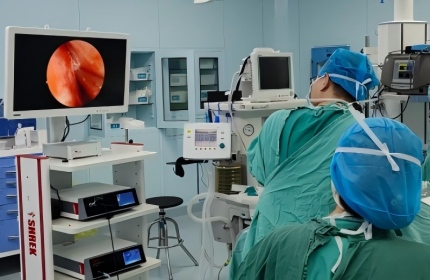
Nasal endoscopy can identify polyps, purulent discharge, marked turbinate enlargement, or another structural problem. Surgery is mainly used for a defined structural obstruction, nasal polyps, or coexisting chronic rhinosinusitis. It does not remove the allergic tendency, and many patients still need long-term anti-inflammatory and allergy management after surgery.
/ Medical Disclaimer
This article is for health education and web-content reference only. It does not replace an in-person medical assessment, diagnosis, or treatment. Rhinitis classification, medication, and any procedural decision must be individualized by qualified healthcare professionals.

+86-13167065777
Building 5A, No. 9628, Hunan Highway, Pudong New Area, Shanghai, China
 Links:
Shanghai Shiyin Photoelectric Instrument Co.,Ltd. All Right Reserved
