

Home > Company News
Nasal polyps are one manifestation of chronic inflammation. When symptoms are mild, sinus drainage is reasonably preserved, and there is no suspicious unilateral lesion, clinicians commonly assess the response to appropriate saline irrigation and intranasal corticosteroid therapy first. Short courses of oral corticosteroids, biologics, or other options are reserved for selected patients after evaluation.
The decision is not based on polyp size alone. Nasal blockage, smell, sleep, recurrent infection, quality of life, and whether medical treatment has been used consistently at an adequate dose and duration all matter.
• Severe blockage, smell loss, or facial pressure continues despite appropriate medical therapy.
• Extensive polyps and inflammation obstruct sinus drainage and cause persistent or recurrent sinus symptoms.
• Sleep, work, exercise, or overall quality of life is substantially affected.
• A unilateral or atypical lesion requires tissue sampling to exclude another diagnosis.
• There is concern for orbital or intracranial complication, or drainage needs to be restored promptly.
CT shows which sinuses are involved and maps the anatomy, but radiologic severity does not always match the patient's experience. Some people have extensive changes with modest symptoms, while others have less extensive imaging findings but major smell or sleep impairment. Symptoms, endoscopy, CT, response to medication, and the patient's goals should be considered together.
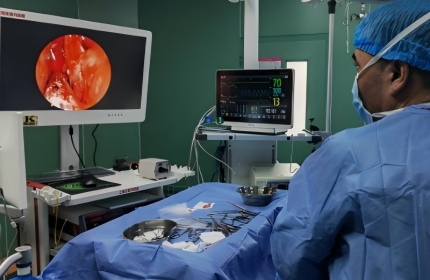
Endoscopic surgery can remove obstructive polyps, open sinus pathways, improve ventilation, and create better access for postoperative topical medication. Many patients seek relief from blockage and recurrent sinus symptoms. Improvement in smell varies with disease duration, inflammatory pattern, and olfactory function.
Surgery does not eliminate every inflammatory driver that produced the polyps. Recurrence remains possible if follow-up and long-term topical treatment are discontinued. Surgery is therefore an important part of chronic disease management rather than a guaranteed one-time cure.
• An acute asthma attack, significant infection, or uncontrolled systemic disease should be stabilized first.
• Anticoagulant and antiplatelet drugs must not be stopped without a coordinated plan from the prescriber and surgical team.
• Pregnancy, a coagulation disorder, cardiopulmonary disease, or previous anesthesia problems require individualized review.
• The patient should understand postoperative irrigation, medication, and follow-up expectations before proceeding.
Medical Disclaimer
This article is for health education and web-content reference only. It does not replace an in-person medical assessment, diagnosis, or treatment. Surgical candidacy and the treatment plan must be determined by qualified ENT professionals.

+86-13167065777
Building 5A, No. 9628, Hunan Highway, Pudong New Area, Shanghai, China
 Links:
Shanghai Shiyin Photoelectric Instrument Co.,Ltd. All Right Reserved
